Turn project files into content technical buyers can evaluate.
Reports, proposals, field notes, and photos become LinkedIn posts, case studies, and technical articles. Your team reviews one monthly batch. Everything else is handled.
The work is documented. It is not published.
Project reports live in shared drives. Commissioning photos stay on phones. Proposal language gets rewritten for every pursuit. None of it helps the next buyer evaluate the firm.
Seller-doers do not have time to turn that material into regular content. Generalist agencies require weeks of translation and technical review before they can produce anything accurate.
The gap is not expertise. It is a system for extracting, reviewing, and publishing it.
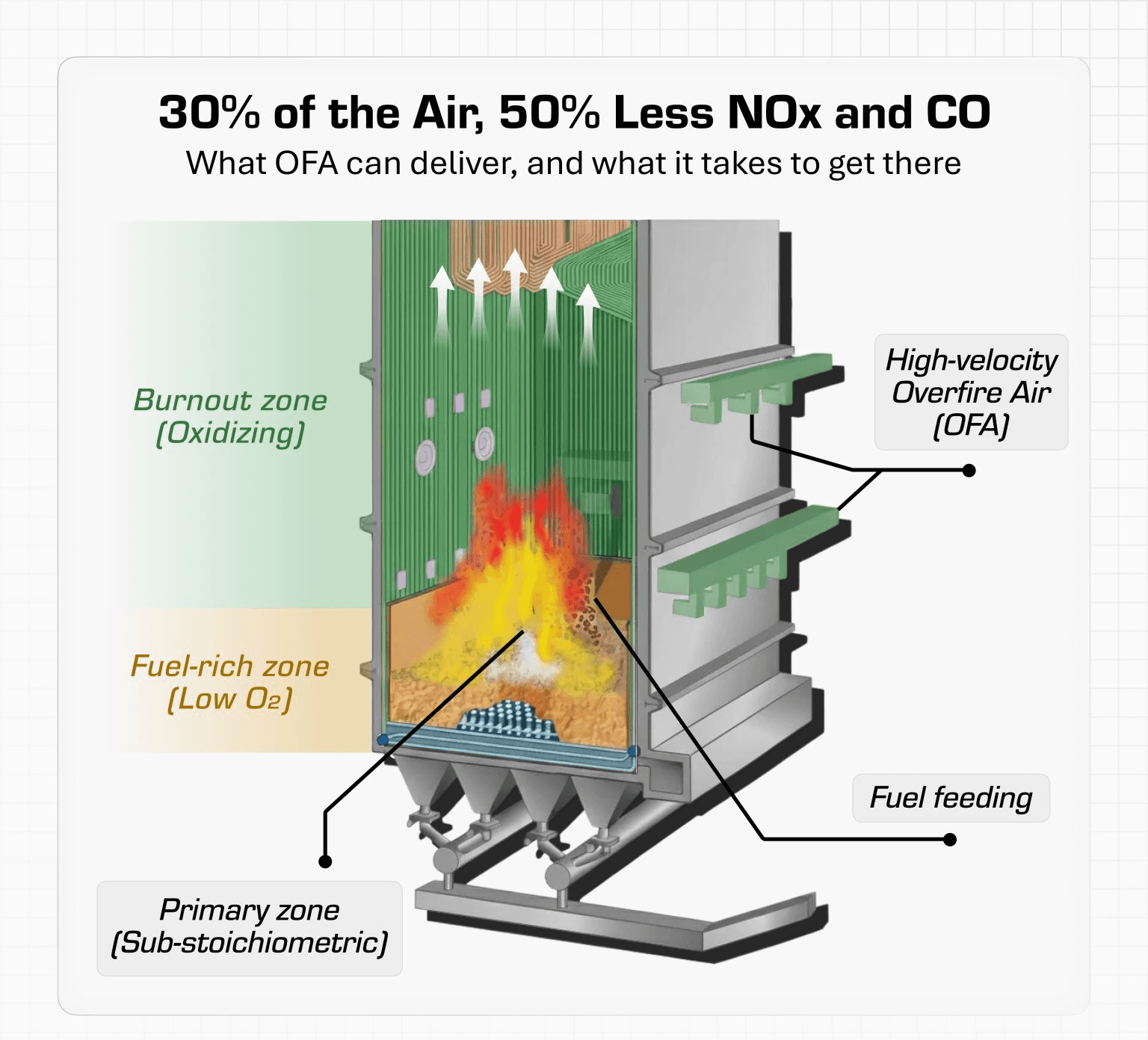
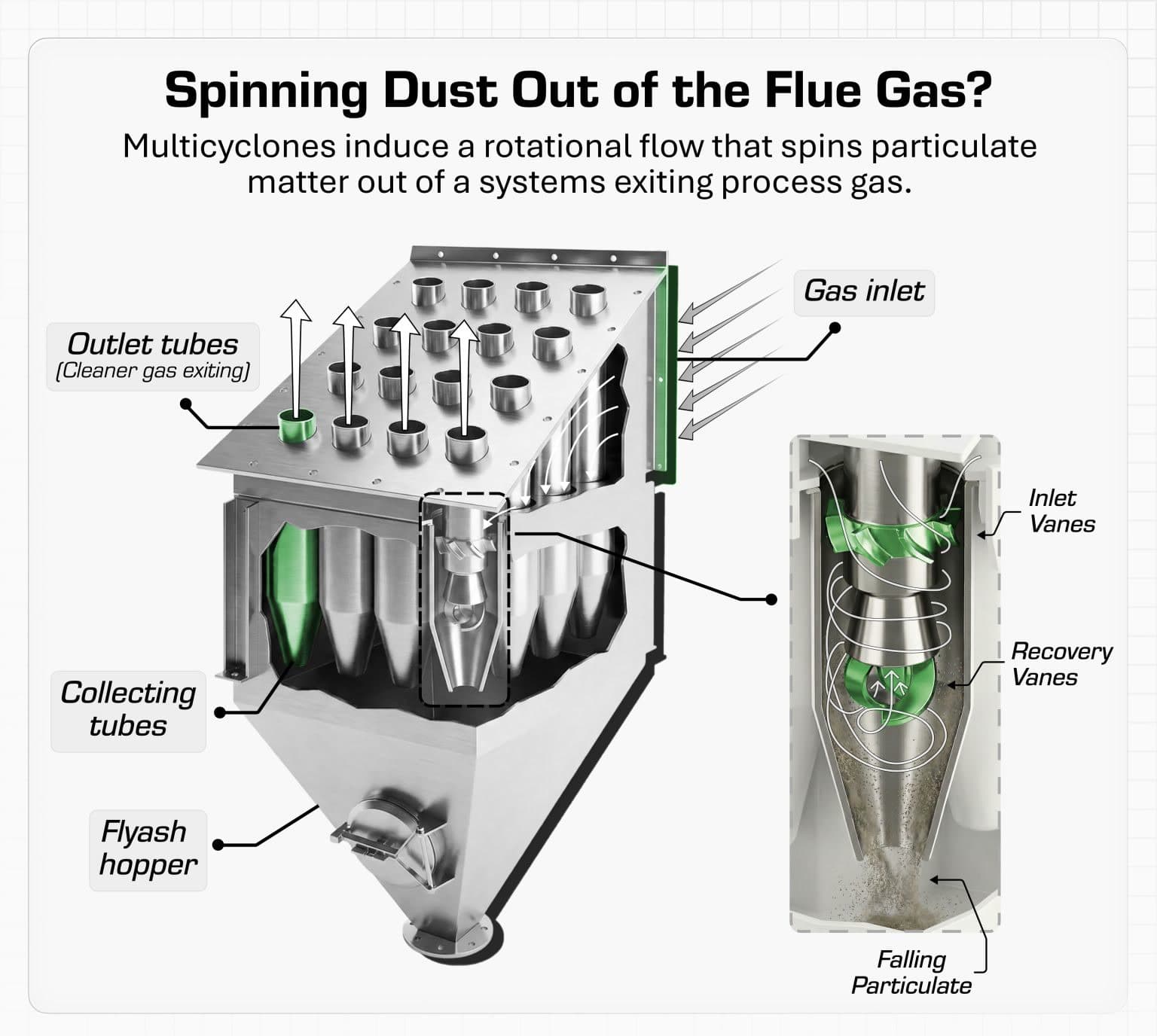
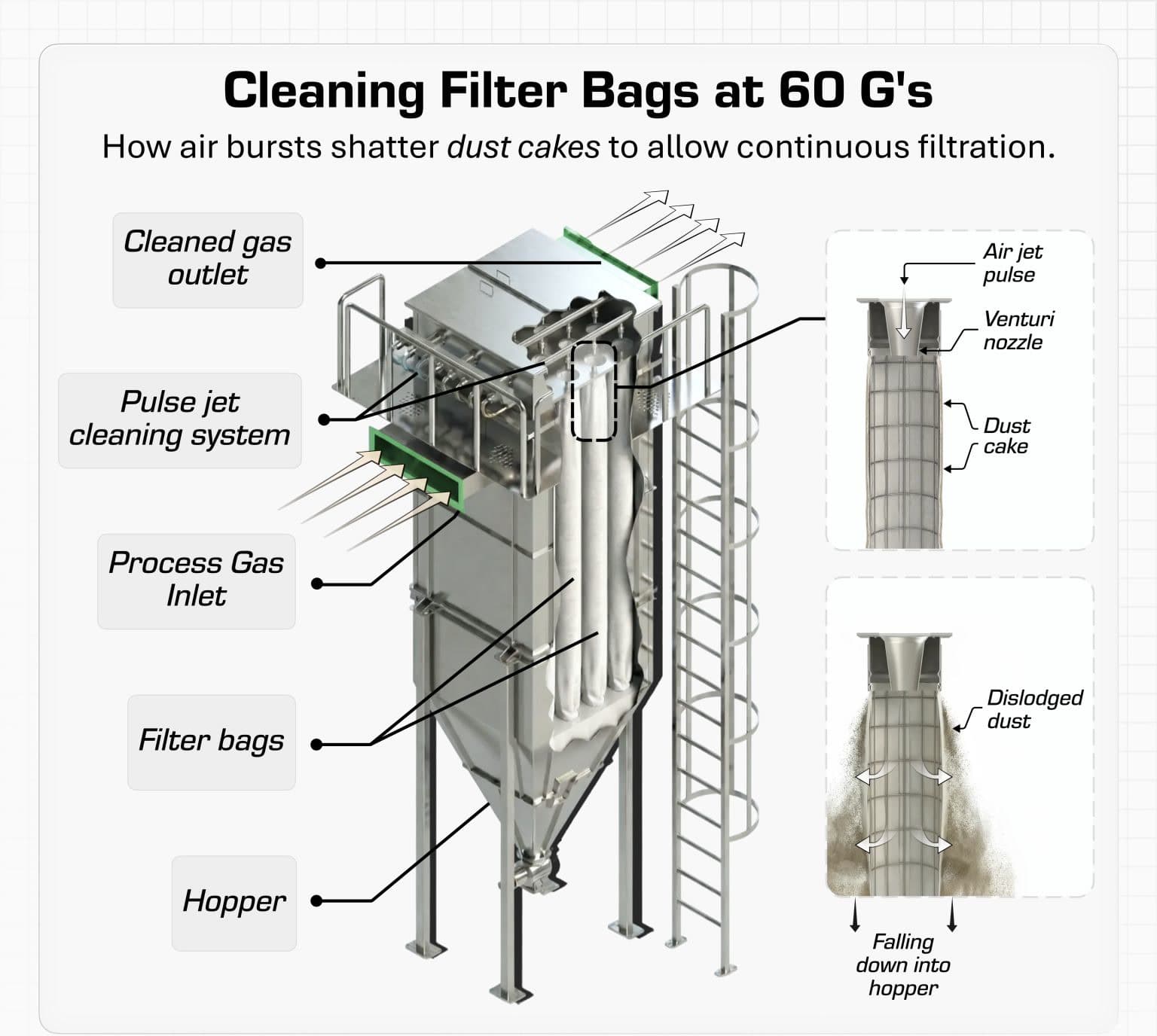
Start with a pilot. Continue if the work earns it.
The pilot gives the firm five finished posts with no retainer. The ongoing program adds the strategy, visuals, publishing, and measurement required to make LinkedIn a consistent channel.
Technical content pilot
$2,000
one time
Delivered in 10 business days
- One 45-minute technical interview
- Five finished technical LinkedIn posts
Technical authority program
$6,000
per month
Three-month initial engagement, then month to month
- Twelve technical LinkedIn posts each month
- One monthly technical interview
- Two designed technical graphics or document posts
- Strategy, batch review, publishing, and reporting
- One executive profile
Custom LinkedIn content engine
From $12,000
one time
Built for the company and retained after the engagement
- Company-specific voice, ICP, and content workflows
- LinkedIn posts, branded graphics, and document posts
- Choice of AI models and providers
- Client-owned deployment with no required subscription
- Hosting and model usage paid directly to providers
- Setup, training, and 60 days of refinement
Turn one technical interview into five finished LinkedIn posts.
One technical interview becomes five finished LinkedIn posts. Delivered in 10 business days, with no retainer required.